
Over-Height Monitoring and Load Height Alarms with Laser Measurement Sensors Posted in: Height Measurement, Updates – Tags: AR1000
Last Updated: July 23, 2026
If you already know the terms “over-height” and “load height”, then you might also happen to know the term “can opener bridge.” If so, our condolences for your loss. Low bridges and other low-height structures can do a whopping amount of damage to trucks and other vehicles.
There are a lot of low structures out there in the world. Over-height monitoring and load height alarms are an ever increasing need for trucking companies, dump trucks, long and short-haul drivers, and all types of facility managers.
For those not in the know, “load height” is the specific measured vertical dimension of the cargo and vehicle from the road to the highest point. This is very important to know when approaching low-hanging structures such as bridges, gas station overhangs, parking structures, and more.
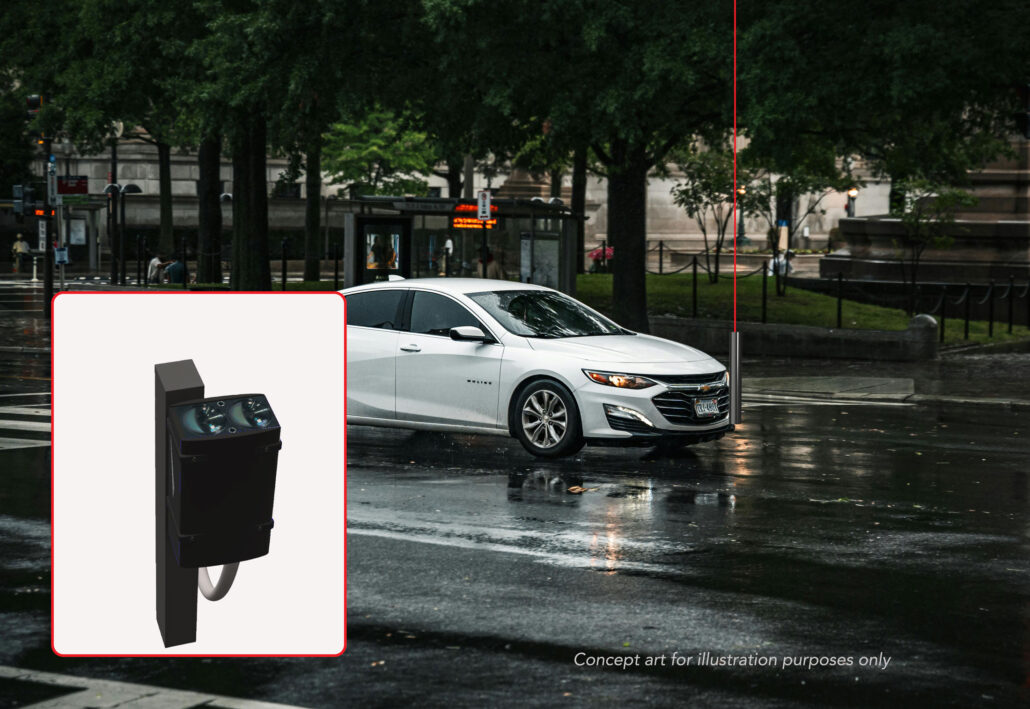 “Over-height” is a little more specific, in that it refers to cargo or vehicles exceeding standard legal height limits (typically over 13′ 6″–14′). These vehicles usually require specialized permits, surveys, or routing to avoid obstacles like specific bridges, and they all require planning ahead. For people in this bucket, please see our solution with Laser Height Pole Measurement. Our laser sensors are fast and powerful enough to detect the heights of potential hazards like power cables at highway speeds. If you’re looking to collect comprehensive route data or road height measurement for future needs, the AR2700 is a great option.
LOAD HEIGHT ALARMS
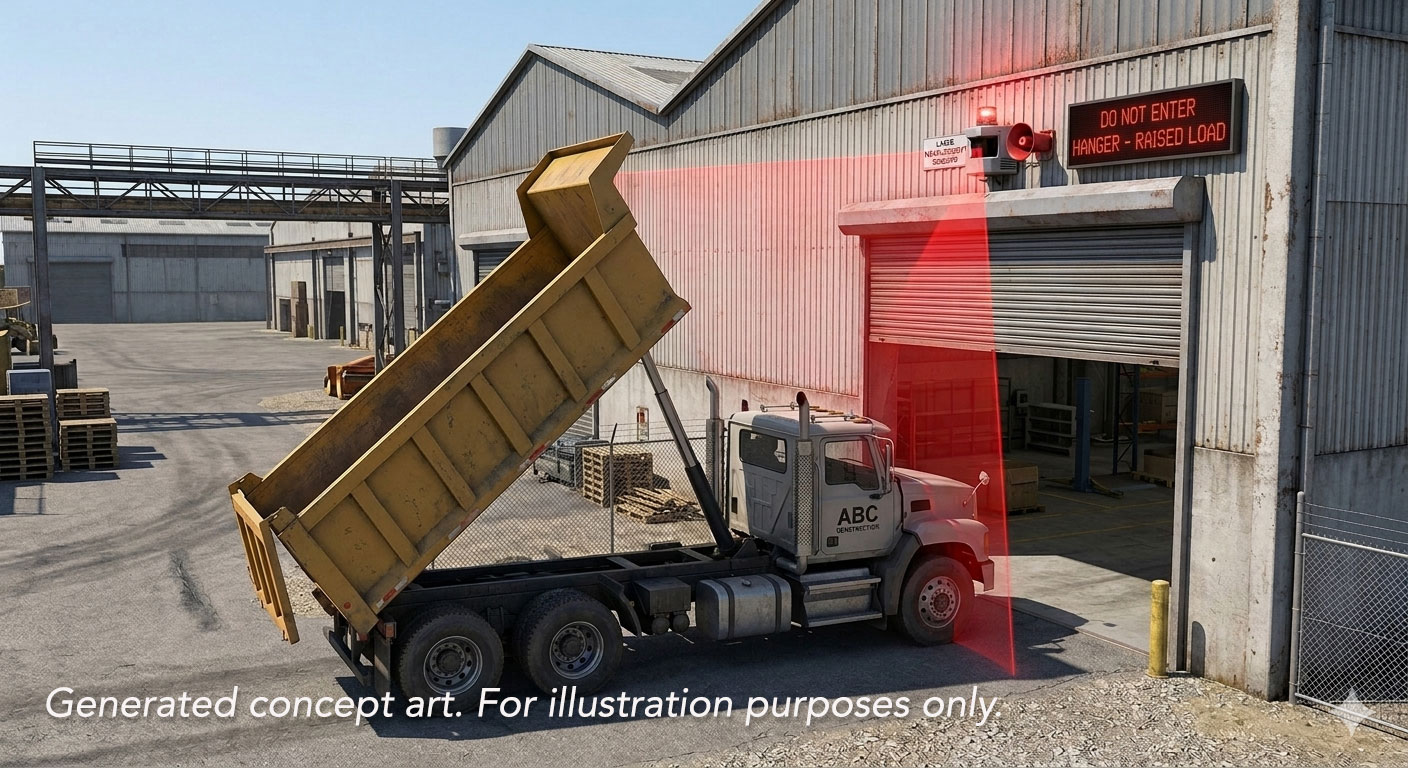
As for load height, in the last few years, Acuity Laser has focused on solutions and alarms for this type of problem. We had a customer whose dump trucks were bringing materials into one of their buildings, but after the drivers dumped their load, they would occasionally forget to lower the box back into position before trying to drive out. Boom. After some costly repairs, the company came to Acuity Laser for help. They inquired if our laser sensors could be used to warn the forgetful drivers before they hit the building. We said, “sure we can.”
Allow us to introduce the AR1000 Laser Distance Sensor. It can measure up to 30 meters on natural targets with an accuracy of three millimeters, and has an eye-safe class II laser. It also has a trigger output that can be used to set off an alarm.
The same system could easily be used for other situations with a low clearance, such as:
- Loading docks
- Parking garages
- A can opener bridge
This set up can help avoid a miscalculation in height and save thousands of dollars in repairs. This is just one of the many ways our sensors can be used to make your life easier. To get extra help for this or any other measurement applications you have, please contact our sales team.
Related Articles
Height Alarm with Laser Measurement Sensor
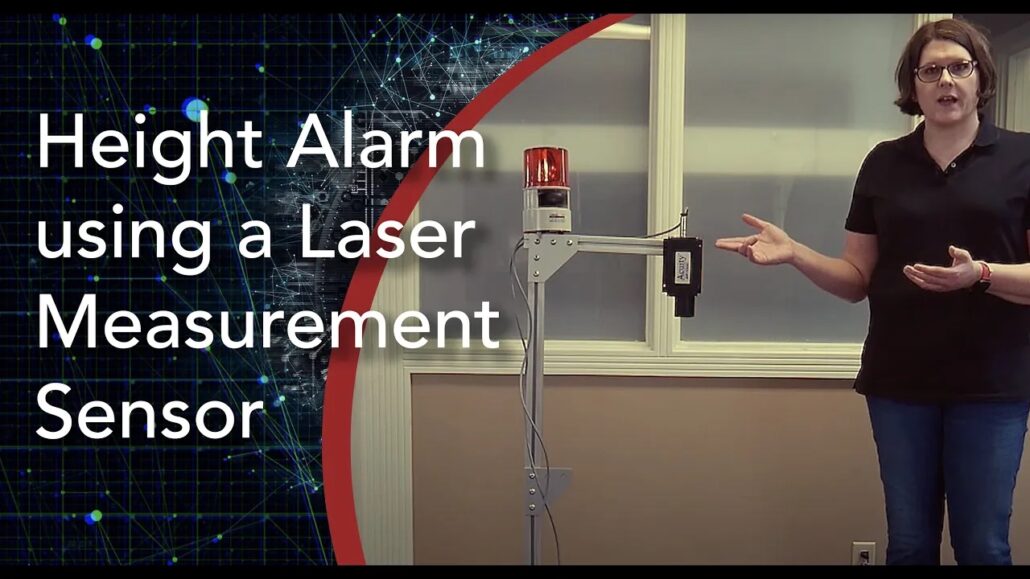
A company has dump trucks bringing materials into one of their buildings, but when the drivers dump their load, they don\’t always remember to lower the dump box back into position before trying to drive out. After some costly repairs they came to us for help.
Counting sheet metal stacking for in-line inventory
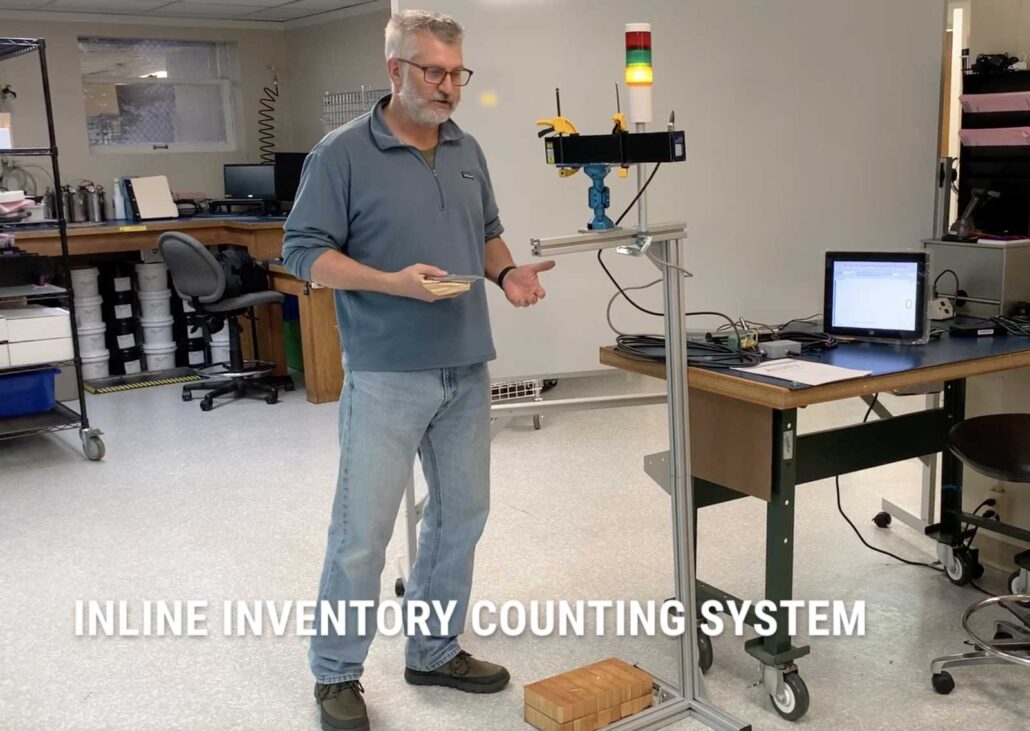
In this video we showcase how we use our AR700 Laser Displacement Sensor to count & display stacks of sheet metal.
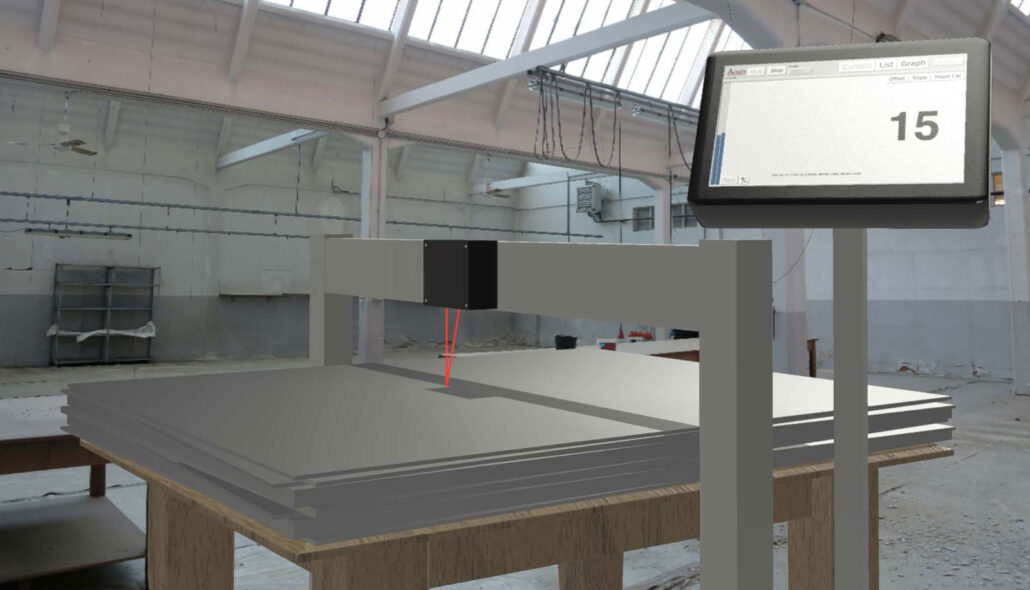
Inventory Management Systems by Measuring Thickness
One method for monitoring inventory stacks and inventory management systems is using non-contact thickness measurement either during production, at an inspection station, or post-production.
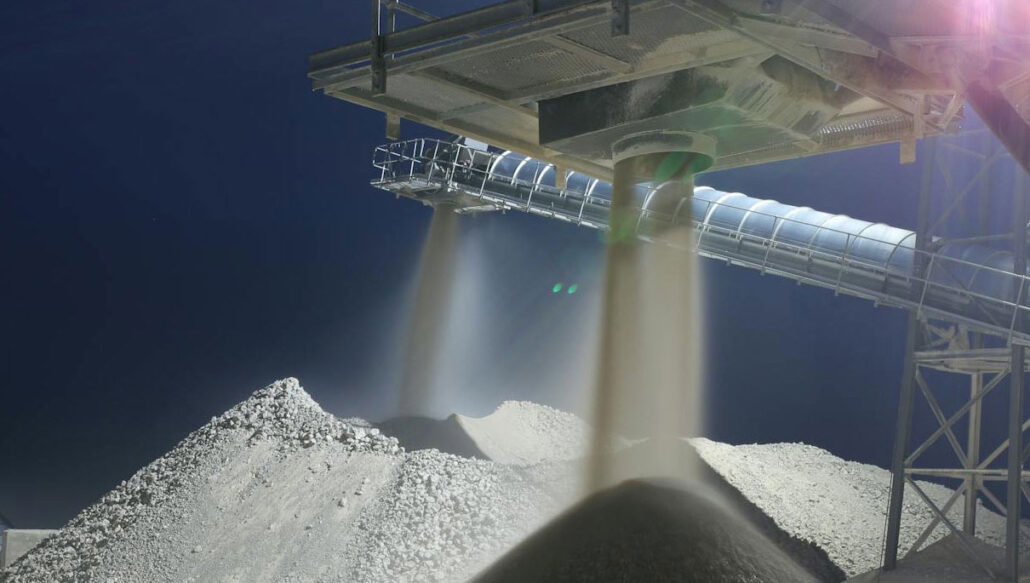
Stockpile Height Measurement for Inventory Management and Overfill Prevention
Managers of bulk solids carefully monitor their stockpile height measurements for both overfill prevention and inventory management. These directors of heaped goods — such as grain, gravel, ore — are often looking for stockpile measurement with high-accuracy, non-contact methods.
Laser Height Pole Measurement
Effectively moving oversized loads requires precautionary measures to ensure safety. This is particularly necessary when it comes to route surveys. A crucial element to maintaining precautionary measures in the route survey process is ensuring proper overhead height measurement.