Last Updated: August 11, 2020
Academia, University and Government Research
Laser Sensors for Government and University Research
Non-contact measurement sensors are used in a very wide variety of applications by engineers and scientists at university and government laboratories. Uses for Acuity laser and white light confocal sensors run the gamut from mechanical and material testing to precision profiling of nanomaterials to archaeology site scanning.
This application list is not intended to be an exhaustive exploration of sensors for government and university research. The measuring tasks are by no means limited to these examples, and may serve as a suggestion for similar or completely different applications.
Center of Mass Calculations
Positioned perpendicular to the axis of rotation, Acuity lasers can take thousands of measurements per second with accuracies as low as a single micron without adding any mass or measurable force that would skew the data.
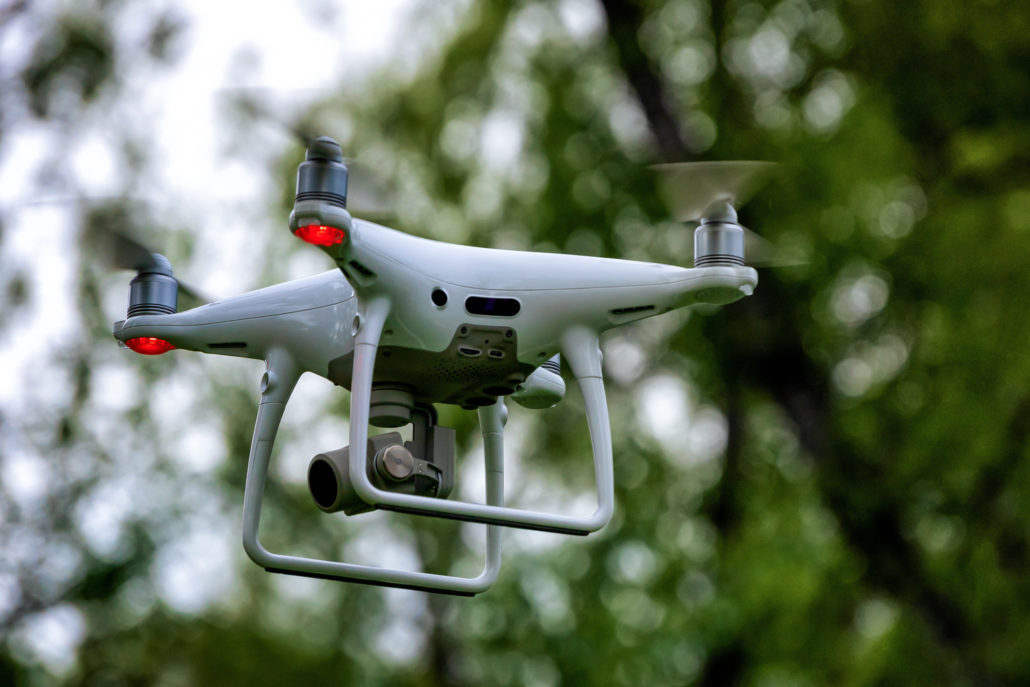
Laser Altimeter
UAV projects depend on sensors to provide spatial information for route planning and crash avoidance.
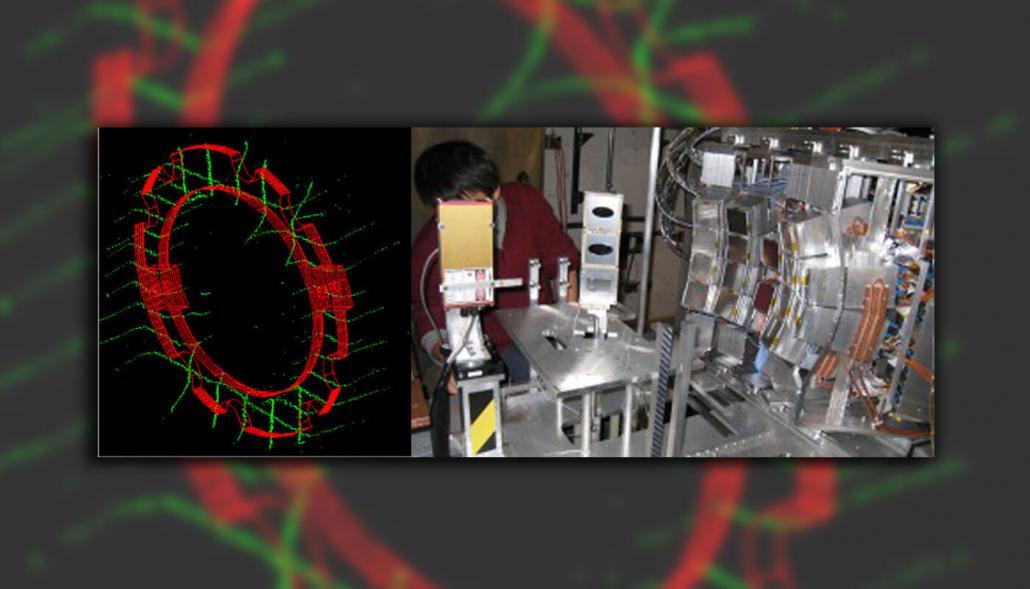
Laser-Based Alignment System
The National Superconducting Cyclotron Laboratory at Michigan State University uses a laser sensor in a system to measure the alignment of detectors. A full presentation of the project can be accessed from their website.
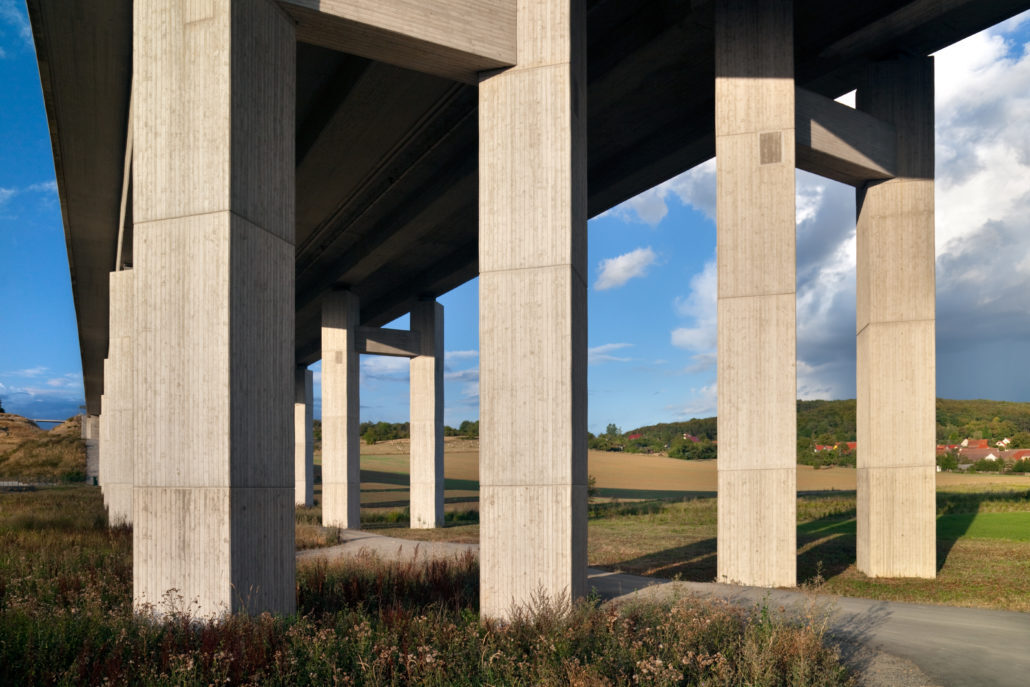
Long-Term Bridge Testing. Position of Pilings
Rangefinders can monitor freeway bridge piling positioning, including the structural position movement of pilings over time as well as other structural monitoring.
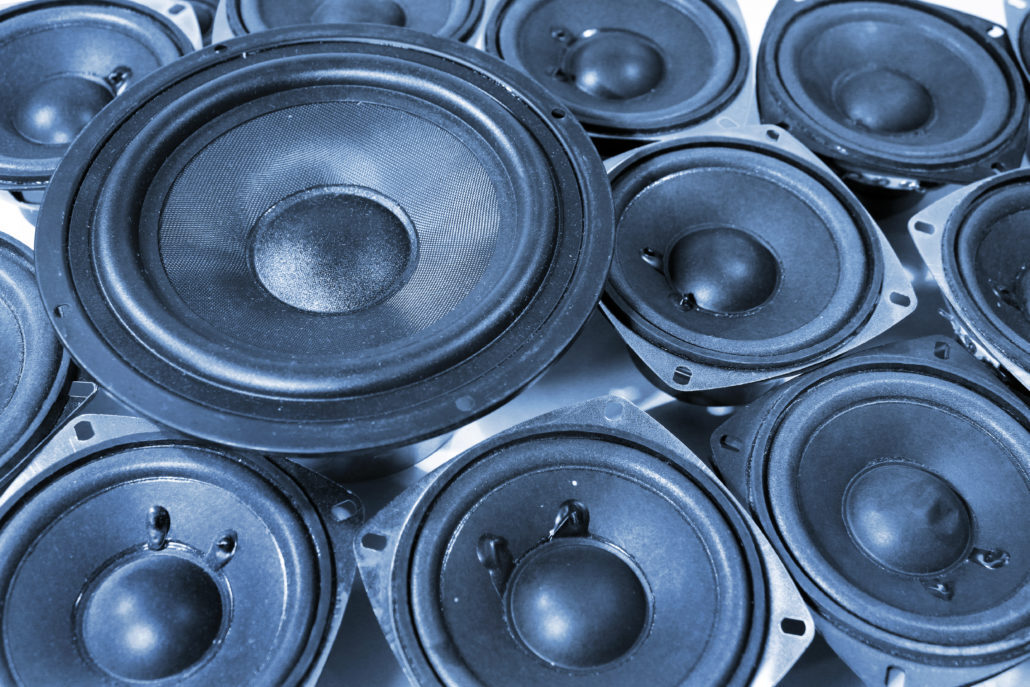
Measuring Speaker Cone Deflection Using Triangulation Sensors
A major audio speaker manufacturer contacted Acuity to help solve a challenging applied measurement problem. In this sound vibrations scenario, a sensor with fast frequency response was needed to profile the entire amplitude of cone movement.
Road Profiling
Road profiling systems incorporate non-contact laser sensors to measure the distance to the road surface and accelerometers to compensate for the effects of the vehicles movement.