

High Speed Train Pantograph Inspection Posted in: Position Measurement – Tags: Transportation
Last Updated: December 22, 2025
Laser Rangefinders Monitor High Speed Train Pantographs
Laser Distance Sensors Inspect and Monitor High Speed Electric Trains
High speed electric trains move fast. How fast? To be considered high speed, a train needs to travel at least 125 mph (200 km/h), and the fastest trains exceed 200 mph (320 km/h). These trains get their power from overhead power lines using an apparatus called a pantograph. As you might imagine, the connection between a train’s pantograph and the power lines is absolutely essential to maintain the function, not to mention the safety, of the entire train line.
Pressing surfaces together moving at 200 mph in relation to each other causes what the kids call “friction” (the nerdy ones at least). Though the adult nerds have cast their best science spells on the pantograph surface to reduce that friction, it still wears out over time, and the pantographs must be inspected regularly.
This could be done manually and it still is on occasion, but that requires taking the trains out of service, and it can’t be done very often without immense cost. But what about using a high speed camera? You could take remote photos of the pantograph surface every time a train passes by. Then you could monitor the wear in real time, and keep the trains on the tracks until you really need to thoroughly inspect them. The only problem there is that high speed cameras take a lot of images very quickly, and they need a ton of storage, so you’d have to find a way to only turn them on when you need them.
That is where the AR2700 High-Speed, Long Range Laser Sensor comes in. It takes 40,000 measurements per second, so you can get a measurement every 25 microseconds. A train travelling at 200 mph has only moved a tenth of an inch (3 mm) in that time, so the sensor can tell the camera exactly when to record.
In the past, customers have used our previous laser rangefinder model, the AR2500, for this application, but the improved AR2700 is smaller and even faster than its predecessor. Perhaps even more importantly, it uses an invisible, completely eye-safe, Class 1, infrared laser. There is no threat of damaging the eyes or even flash blinding anyone on board.
If you have an application like this or have questions about whether a different application could use laser sensors like this, please contact the Acuity Sales Team today. We can help find a solution to your measurement needs!
Related Products
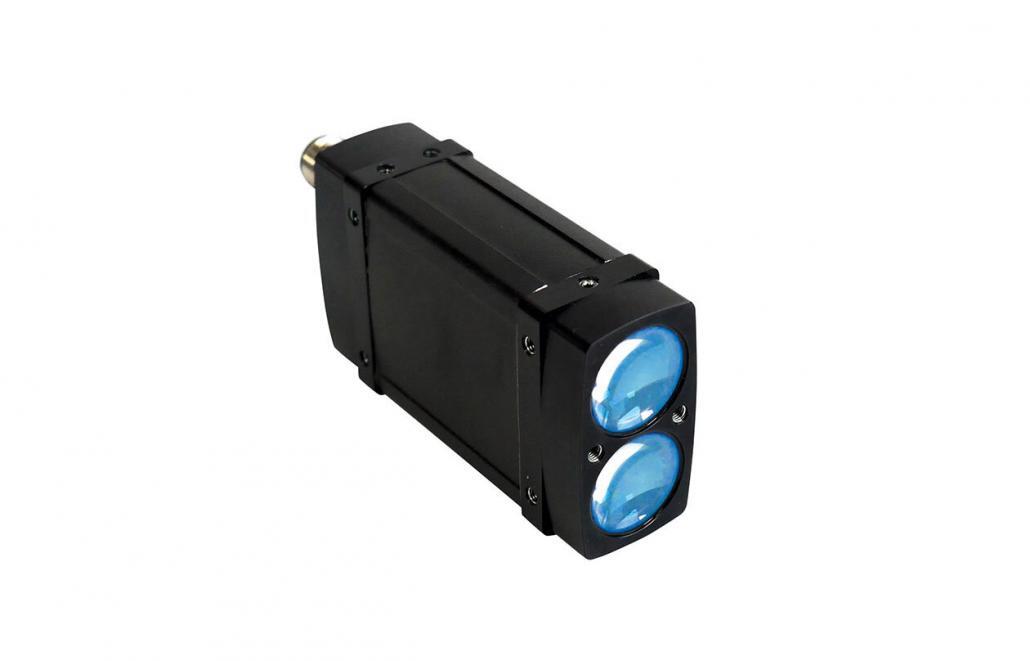
AR2700 High-Speed Long Range Sensor
Acuity Laser’s ultra-compact rangefinder model. This eye-safe rangefinder has a measurement frequency of up to 40 kHz and can measure distances to natural targets up to 70 meters away or to retroreflective targets 270 meters away. This laser is best for applications that demand high sampling rates.

Sarah has been our technical support and sales engineer for 5+ years. If you've ever reached out to Acuity Laser for tech support, more than likely, Sarah is the one who helped you.